us.jpg fr.jpg

info@bourbonfm.com
(+1) 312 909 6539

facebook.png linkedin.png 01113281ebb7dfb57a8dc2a02eb1cb92.png_srz_26_26_85_22_0.50_1.20_0.00_png_srz.png e83942d98df1989e10269ad67034ea34.png_srz_26_26_85_22_0.50_1.20_0.00_png_srz.png    

Wealth Management

us.jpg   fr.jpg

Retirement Income Planning Requires Realistic Spending Assumptions

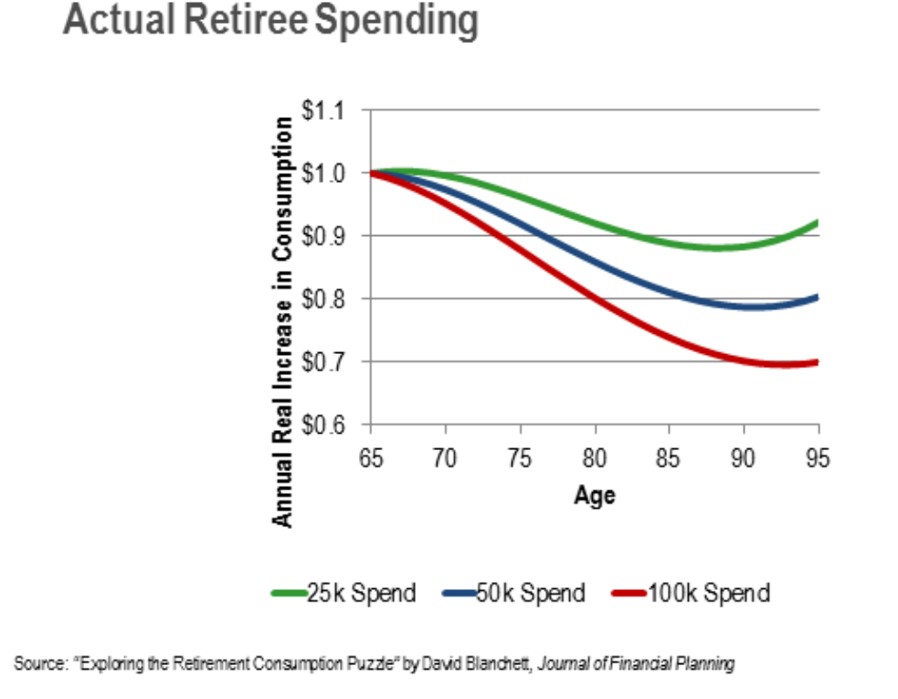
If you have read any literature on retirement planning or have received advice from a financial professional, chances are you were presented with the 70% rule, the one that suggests that retirees will need between 70 and 80% of their pre-retirement income in order to maintain their standard of living.

For Long-Term Investors Fees Really Do Matter

After costs, the return on the average actively managed dollar will be less than the return on the average passively managed dollar for any time period.
—William F. Sharpe, 1990 Nobel Laureate

Long-Term Annualized Returns- S&P 500 vs. Average Equity Fund Investor

68.jpg

Bond Returns Helped Offset Stock Market Declines

72.jpg

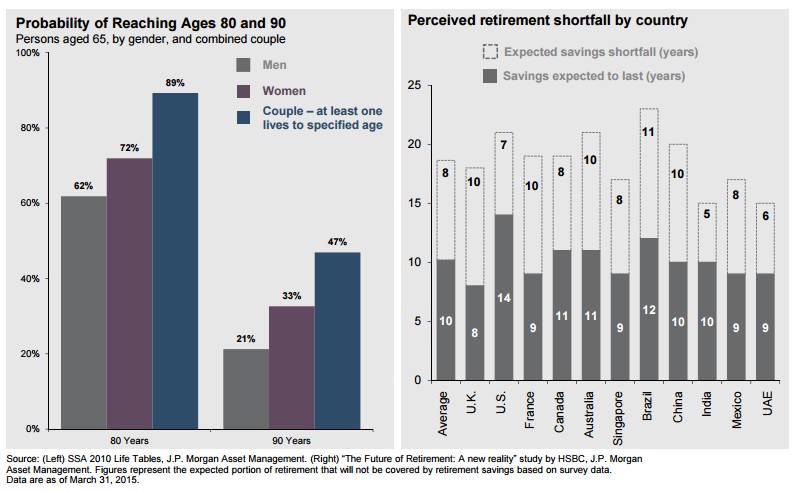
If you're 65 today, the probability of living to a specific age..

74.jpg

Average Investor Underperforms Most Sectors and Markets

30.jpg

Saving Versus Paying Off Debt

The saving versus paying off debt is an age-old quandary that has plagued people since the advent of consumer debt. Pose this question to a group of financial planners and the responses will be split, roughly down the middle. While there might be as many advocates for savings as there would be for paying down debt, the broad consensus will likely be that it really depends on the situation.

The gap between the 20-year S&P 500 return and the average equity fund investor return expanded in 2013

The gap between the 20-year S&P 500 return and the average equity fund investor return expanded in 2013. This was the first gap expansion since 2010 and only the 3rd in 10 years. The S&P 500 return increased from 8.21% to 9.22% in 2013 while the average equity fund investor return increased from 4.25% to only 5.02%. This resulted in the gap widening from -3.96% to -4.20%.

Let's Diversify our Portfolio! (Oct. 2012)

Our goal is to help our clients understand why a portion of their portfolios is invested in international financial markets (20% to 50% of the equities may be allocated in Europe, Asia, and Emerging Markets). Not only do Emerging Markets have much lower debt levels and a younger population, international stocks also seem to be currently cheaper than U.S. stocks.


See why at http://www.tinyurl.com/bfm-nwslet-Oct2012-Diversify


Syndicate content